

Take Every Thought Captive: A Connection of Your Mind and Your Body
Take Every Thought Captive: A Connection
of Your Mind and Your Body
Our thoughts are far more powerful than we often realize. They don't just shape our attitudes—
they can influence our physical health as well. Scripture reminds us in 2 Corinthians 10:5 to
"take every thought captive to obey Christ." This isn't just spiritual wisdom; it's a principle that
aligns remarkably well with what we know about the brain.
When Paul uses the phrase take every thought captive, he paints a vivid picture. A captive isn't
someone who is politely invited to come along or given permission to do as they please. A
captive is seized intentionally, brought under control, and no longer allowed to dictate the
outcome. In the same way, we are not called to surrender to every fearful, anxious, or
condemning thought that enters our minds. We are called to decisively lay hold of those
thoughts, examine them in light of God's truth, and bring them into obedience to Christ. Our
thoughts do not have to control us—we can, through the power of the Holy Spirit, take control of them.
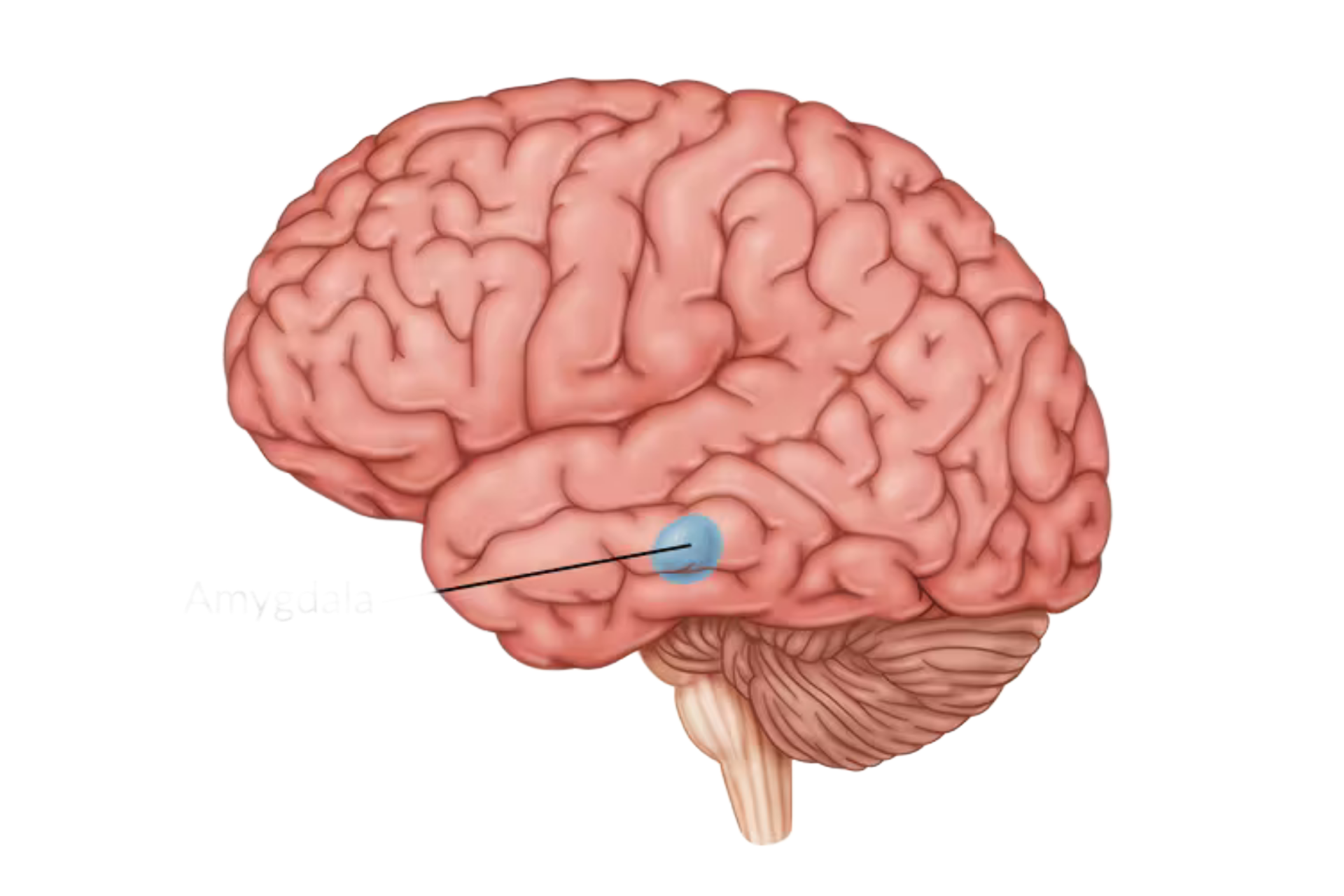
Deep within the brain is the amygdala, a small structure that constantly scans our experiences and thoughts for signs of danger. When it perceives a threat—whether real or imagined—it can activate the body's stress response. In those first moments after a fearful thought appears, our response matters. If we repeatedly dwell on fear, the brain reinforces those pathways and continues releasing stress hormones like cortisol. Over time, chronic cortisol can weaken the immune system, increase inflammation, and affect both our physical and emotional health. But when we pause, bring that thought into the light of God's truth, and refuse to let fear take root, we strengthen healthier neural pathways. With repeated practice, the brain becomes less reactive, and we grow in both emotional resilience and spiritual maturity.
Taking every thought captive doesn't mean pretending problems don't exist, nor is it some vague “power of positive thinking.”. It means an intentional, direct exchange of thought—refusing to allow fear, anxiety, or lies to take root, choosing to replace them with God's promises. It means trusting that He is in control even when circumstances feel uncertain. As we intentionally focus on what is true, noble, right, pure, lovely, and admirable (Philippians 4:8), we cultivate both a renewed mind and a healthier body. The Great Physician knows how we are made and knows how our minds are wired and repaired. Science’s understanding of the mind reinforces the wisdom of Scripture.
Every thought is an opportunity. Will it become a seed that produces fear, or will you seize it before it takes root? Will you allow it to command your emotions, or will you bring it under the authority of Christ? Your physical body is not disconnected from this decision. It is directly affected by it.
Today, when an anxious thought appears, don't negotiate with it. Don't entertain it. Take it captive. Ask yourself: Is this thought leading me closer to God's truth or deeper into fear? Then choose to replace it with what God says is true. As you practice this day after day, you'll not only strengthen your faith—you'll also build resilience in the brain that God so wonderfully created. Your spirit, your mind, and even your body can benefit from that decision.

Recent Posts